Innovative Designs in Smartwatches You Need to See Now
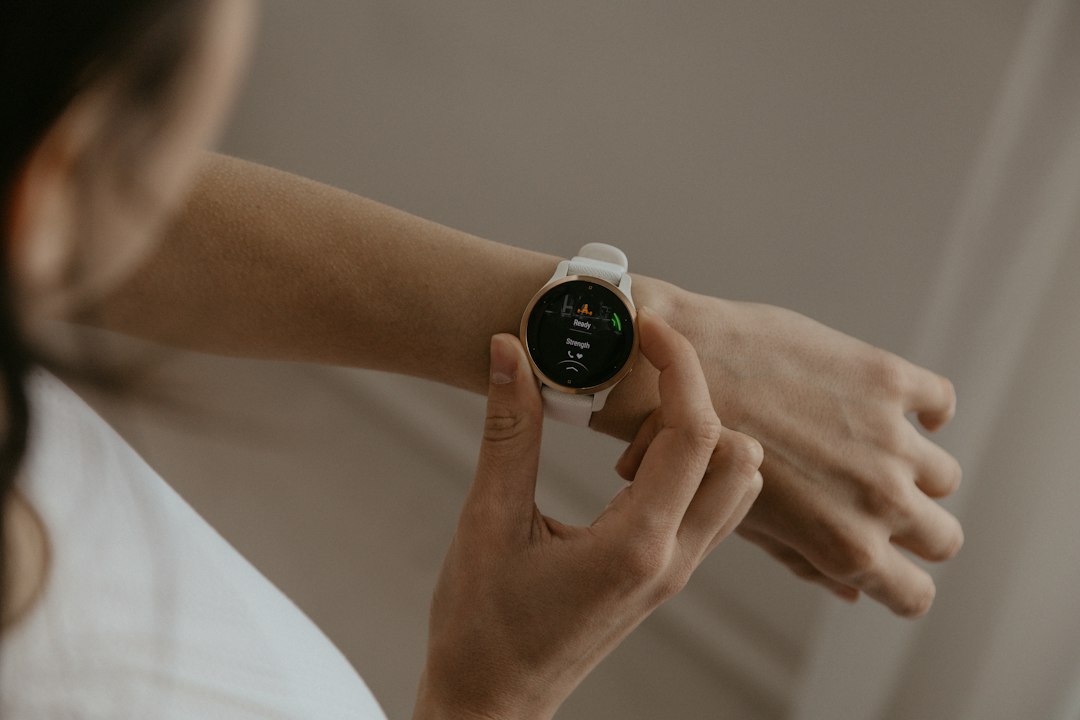
As technology continues to evolve at a rapid pace, smartwatches have emerged as a significant player in the wearable tech market. With their ability to track health metrics, provide notifications, and even facilitate communication, these devices are becoming indispensable for many. However, misconceptions about their capabilities and future trends abound. In this article, we will explore the current landscape of smartwatches and what we can expect in the coming years, debunking common myths along the way.
Many people believe that smartwatches are primarily designed for fitness enthusiasts and athletes. This misconception stems from the early iterations of smartwatches, which focused heavily on health tracking features like heart rate monitoring and step counting. While it is true that fitness tracking is a significant aspect of smartwatches, the reality is that these devices have evolved to cater to a much broader audience. Today, smartwatches offer a wide range of functionalities, including mobile payments, music streaming, and even navigation, making them suitable for anyone looking to enhance their daily life.
Moreover, the integration of smartwatches with smartphones has opened up new avenues for communication and productivity. Users can receive calls, texts, and app notifications directly on their wrists, allowing for seamless connectivity without the need to constantly check their phones. This versatility means that smartwatches are not just for fitness buffs; they are valuable tools for busy professionals, students, and anyone seeking to stay organized and connected.
One of the most exciting trends in the smartwatch industry is the move towards greater independence from smartphones. Initially, smartwatches relied heavily on their paired devices for functionality, limiting their appeal. However, advancements in technology have led to the development of standalone smartwatches that can operate independently. These devices now come equipped with their own cellular connectivity, allowing users to make calls, send messages, and access apps without needing to be tethered to a smartphone.
This shift towards independence is particularly beneficial for users who prefer a minimalist lifestyle or those who want to leave their phones behind during workouts or outdoor activities. With built-in GPS, music storage, and health tracking features, standalone smartwatches are becoming increasingly capable, making them a practical choice for a variety of users. As this trend continues, we can expect to see even more innovative features that enhance the standalone capabilities of smartwatches.
Another common misconception is that smartwatches are overly complicated and difficult to navigate. This belief can deter potential users who may feel intimidated by the technology. However, manufacturers have made significant strides in simplifying user interfaces and enhancing the overall user experience. Modern smartwatches often feature intuitive touchscreens, voice commands, and customizable watch faces that make them user-friendly.
Additionally, many smartwatches come with companion apps that provide a seamless setup process and easy access to settings and features. These apps often include tutorials and guides to help users familiarize themselves with their devices. As a result, even those who are not tech-savvy can quickly learn how to use a smartwatch effectively, dispelling the myth that they are too complicated for the average consumer.
The health monitoring capabilities of smartwatches are one of their most appealing features, and this trend is set to continue. As technology advances, we can expect to see even more sophisticated health tracking features integrated into smartwatches. Current models already offer heart rate monitoring, sleep tracking, and even ECG capabilities, but future iterations may include more advanced metrics such as blood glucose monitoring and stress level assessments.
This focus on health and wellness is not just a passing trend; it reflects a growing consumer demand for devices that promote healthier lifestyles. As people become more health-conscious, smartwatches will likely play a crucial role in helping individuals monitor their well-being and make informed decisions about their health. With ongoing research and development, the potential for smartwatches to revolutionize personal health management is immense.
As we look ahead, it is clear that smartwatches are poised to become even more integral to our daily lives. By debunking common myths and understanding the truth behind these devices, consumers can make informed decisions about their smartwatch purchases. With advancements in technology, increased independence, and enhanced health monitoring features, the future of smartwatches is bright.
Whether you are a fitness enthusiast, a busy professional, or simply someone looking to stay connected, there is a smartwatch out there that can meet your needs. As the market continues to evolve, embracing these innovative devices will undoubtedly enhance our lifestyles and keep us at the forefront of technology.
Life can be overwhelming. Our Smartwatch is designed with empathy, offering features that simplify your day and keep you connected to what matters.